
With Traumatic Brain Injury (TBI) Attorney: Proving "Invisible" Injuries in Court at the forefront, this paragraph opens a window to an amazing start and intrigue, inviting readers to embark on a storytelling filled with unexpected twists and insights.
The topic of Traumatic Brain Injury (TBI) is a complex issue that affects many individuals. Understanding the legal aspects and challenges of proving "invisible" injuries like TBI in court is crucial for seeking justice and compensation.
Understanding Traumatic Brain Injury (TBI)
Traumatic Brain Injury (TBI) is a type of injury caused by a sudden trauma to the head, resulting in damage to the brain. There are different types of TBIs, including:
- Concussion: A mild form of TBI often caused by a bump, blow, or jolt to the head.
- Contusion: A more severe TBI involving bruising of the brain tissue.
- Penetrating Injury: Occurs when an object pierces the skull and enters the brain.
Causes and Common Symptoms of TBI
TBIs can be caused by various incidents such as car accidents, falls, sports injuries, or violence. Some common symptoms of TBI include:
- Headache
- Nausea or vomiting
- Confusion or disorientation
- Memory problems
- Changes in mood or behavior
Long-Term Impact of TBI on Individuals
Individuals who have experienced TBI may face long-term consequences that affect their daily life. Some of these impacts include:
- Cognitive difficulties
- Emotional challenges
- Physical impairments
- Increased risk of mental health issues
Legal Aspects of TBI Cases
When it comes to Traumatic Brain Injury (TBI) cases, legal representation plays a crucial role in helping individuals navigate the complexities of the legal system. TBI attorneys specialize in advocating for clients who have sustained brain injuries due to accidents, medical malpractice, or other incidents.
These attorneys work to ensure that their clients receive the compensation and justice they deserve for the physical, emotional, and financial impact of their injuries.
Role of a TBI Attorney
TBI attorneys are tasked with representing clients with brain injuries throughout the legal process. They provide guidance, support, and expertise to help clients understand their rights and options. These attorneys work diligently to gather evidence, consult with medical experts, and build a strong case to prove the extent of their client's injuries and the impact on their lives.
TBI attorneys also negotiate with insurance companies and other parties on behalf of their clients to secure fair settlements or represent them in court if necessary.
Challenges of Proving “Invisible” Injuries
One of the main challenges in TBI cases is proving "invisible" injuries like TBI in court. Unlike physical injuries that are visible and easily demonstrable, TBI can be harder to diagnose and quantify. The symptoms of TBI, such as cognitive impairments, memory loss, and emotional changes, may not be immediately apparent or visible to others.
This can make it challenging to convince the court of the severity and impact of the injury without proper documentation, expert testimony, and supporting evidence.
Legal Criteria and Standards for Proving TBI
To prove TBI in court, specific legal criteria and standards must be met. This typically involves demonstrating that the injury was caused by the negligence or wrongful actions of another party, such as a negligent driver in a car accident or a healthcare provider in a medical malpractice case.
Evidence such as medical records, diagnostic tests, witness statements, and expert opinions may be required to establish the link between the accident or incident and the resulting brain injury. TBI attorneys play a crucial role in collecting and presenting this evidence effectively to support their client's case and achieve a favorable outcome.
Gathering Evidence for TBI Cases
When it comes to proving Traumatic Brain Injury (TBI) in court, gathering compelling evidence is crucial. This evidence helps establish the extent of the injury, its impact on the victim's life, and the negligence of the responsible party.Medical Records:Medical records play a vital role in TBI cases.
They document the initial diagnosis, treatment received, and the ongoing care required by the victim. These records provide concrete evidence of the injury and its effects, helping to build a strong case.Expert Testimonies:In TBI cases, expert testimonies from medical professionals are invaluable.
Neurologists, neuropsychologists, and other specialists can provide expert opinions on the nature of the injury, its long-term consequences, and the necessary treatment. Their testimony adds credibility to the case and helps the court understand the complexities of TBI.Other Documentation:In addition to medical records and expert testimonies, other documentation such as accident reports, witness statements, and rehabilitation progress reports can also support a TBI claim.
These documents provide a comprehensive view of the incident, the victim's condition, and the steps taken towards recovery.Strategies for Collection and Presentation:To collect and present evidence effectively in court, it is essential to work closely with experienced TBI attorneys. They can help gather the necessary documentation, organize the evidence in a compelling manner, and prepare witnesses for testimony.
Presenting a clear and cohesive narrative supported by strong evidence is key to securing a favorable outcome in TBI cases.
Working with Medical Professionals
Collaboration between TBI attorneys and medical experts is crucial in building a strong case. Medical assessments and evaluations play a significant role in providing concrete evidence to support TBI claims. The expertise of medical professionals helps in establishing the link between the accident or incident and the resulting traumatic brain injury.
Medical Assessments and Evaluations
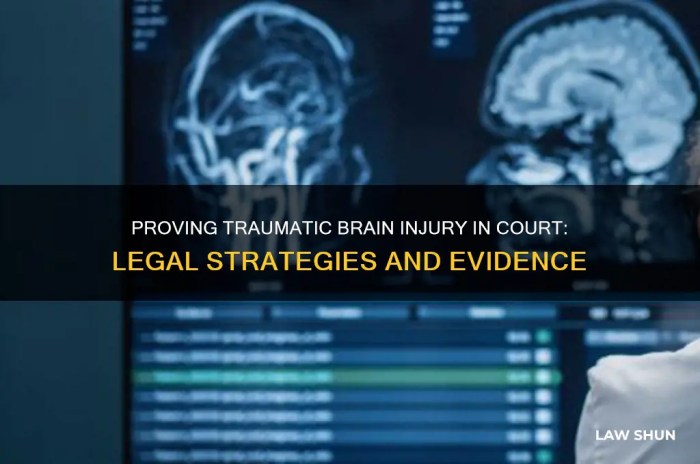
Medical professionals conduct thorough assessments to diagnose and evaluate the extent of the traumatic brain injury. These assessments may include physical examinations, neurological tests, imaging studies like CT scans or MRIs, and cognitive evaluations. The findings from these assessments provide valuable insights into the impact of the TBI on the individual's life and functioning.
- Medical assessments help in determining the severity of the TBI, which is crucial for calculating damages in legal cases.
- Objective medical evidence from these evaluations strengthens the credibility of the TBI claim in court.
- Medical professionals can also identify potential long-term effects of the TBI, which is essential for estimating future medical costs and treatment needs.
Translating Medical Jargon for the Court
One of the key roles of TBI attorneys is to translate complex medical findings and terminology into language that is understandable to the judge and jury. This involves breaking down technical jargon, explaining medical concepts in layman's terms, and highlighting the significance of the medical evidence in the context of the case.
It is essential to present medical information in a clear and concise manner to effectively convey the impact of the traumatic brain injury on the individual's life.
- TBI attorneys work closely with medical experts to ensure that the evidence presented in court is compelling and easy to comprehend.
- By translating medical jargon, attorneys can effectively communicate the diagnosis, treatment plan, and prognosis related to the TBI to the court.
- This process helps the judge and jury make informed decisions based on the medical evidence presented during the trial.
Navigating Legal Procedures
When dealing with Traumatic Brain Injury (TBI) cases, navigating the legal procedures can be complex and challenging. From filing a claim to reaching a settlement, there are several steps involved that require careful attention and expertise.
Legal Steps in TBI Cases
- Initial Consultation: The first step is to consult with a TBI attorney who specializes in handling such cases. They will assess the details of your situation and determine the best course of action.
- Evidence Gathering: Collecting evidence to support your claim is crucial. This may include medical records, witness statements, and expert testimonies.
- Filing the Claim: Your attorney will help you file a lawsuit against the responsible party, outlining the damages and compensation you are seeking.
- Discovery Phase: Both parties exchange information and evidence to strengthen their case. This phase may involve depositions and interrogatories.
- Negotiation and Settlement: Your attorney will engage in negotiations with the opposing party to reach a settlement that is fair and compensates you for your injuries.
Challenges in TBI Cases
- Proving Invisible Injuries: Unlike physical injuries, TBIs are often invisible and can be challenging to prove. This can lead to skepticism and disbelief from insurance companies or the opposing party.
- Long-Term Effects: TBIs can have long-lasting effects on a person's life, making it difficult to quantify the damages accurately. This can complicate the settlement process.
- Complexity of Medical Evidence: Understanding and presenting complex medical evidence in court can be daunting. Working with medical experts is crucial in such cases.
Timeline, Costs, and Outcomes
- Timeline: TBI cases can be lengthy and may take months or even years to reach a resolution, depending on the complexity of the case and the legal procedures involved.
- Costs: Legal fees, court costs, and medical expenses can add up quickly in TBI cases. It is essential to discuss the fee structure with your attorney upfront.
- Potential Outcomes: The outcome of a TBI case can vary, from a settlement out of court to a trial verdict. Your attorney will work to secure the best possible outcome for you based on the evidence and legal arguments presented.
Epilogue
In conclusion, navigating the complexities of Traumatic Brain Injury (TBI) cases requires expertise in legal procedures and collaboration with medical professionals. By delving into the nuances of TBI claims, attorneys can effectively represent clients and secure rightful compensation for the long-lasting impact of these "invisible" injuries.
Query Resolution
What are the common symptoms of Traumatic Brain Injury (TBI)?
Common symptoms include headaches, dizziness, memory problems, and mood changes.
How do medical records contribute to proving TBI in court?
Medical records provide essential documentation of the diagnosis, treatment, and progress of TBI, supporting the legal claim.
What is the role of medical experts in TBI cases?
Medical experts provide valuable insights, assessments, and evaluations that strengthen the evidence presented in court for TBI claims.






![Suboxone Tooth Decay Lawsuit [2025 Update] | Keith Law Group](https://discovery.tokominicon.com/wp-content/uploads/2026/05/Suboxone-Tooth-Decay-Lawsuit-Overview-and-Updates-Keith-Law-Group-1024x576-1-120x86.png)