
Crane Operator Negligence: Seeking Justice for Jobsite Catastrophes sets the stage for this enthralling narrative, offering readers a glimpse into a story that is rich in detail and brimming with originality from the outset.
Exploring the realm of crane operator negligence in the context of construction sites reveals a complex web of factors that can lead to catastrophic outcomes. From lapses in attention to insufficient training, the landscape of jobsite safety is fraught with challenges that demand attention and action.
Understanding Crane Operator Negligence
Crane operator negligence refers to the failure of a crane operator to follow proper safety protocols and procedures while operating a crane on a construction site. This negligence can have severe consequences, including accidents, injuries, and even fatalities.
Common Examples of Crane Operator Negligence
- Operating the crane without proper training or certification
- Ignoring weight limits and overloading the crane
- Using the crane in adverse weather conditions
- Failing to inspect the crane regularly for maintenance issues
- Not following proper communication protocols with other workers on the site
Potential Consequences of Crane Operator Negligence
- Accidents causing injuries or fatalities to workers on the construction site
- Damages to property and equipment due to mishandling of the crane
- Lawsuits and legal repercussions for the construction company and the crane operator
- Loss of reputation for the construction company leading to a decrease in future projects
Factors Contributing to Crane Operator Negligence
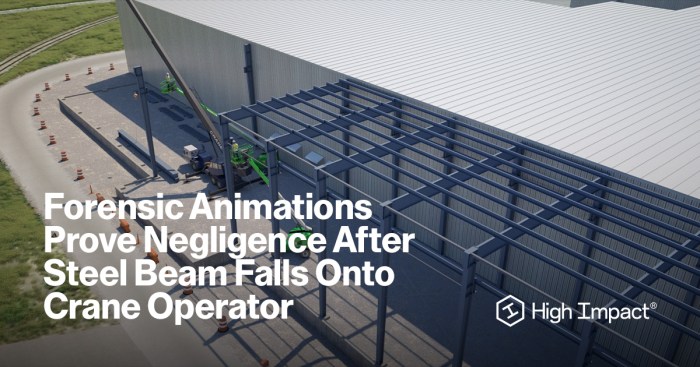
Fatigue, lack of proper training, supervision, and distractions can all play a significant role in crane operator negligence, leading to potentially catastrophic outcomes in a jobsite.
Role of Fatigue in Crane Operator Negligence
Fatigue can severely impact a crane operator's job performance, reducing their alertness, reaction time, and decision-making abilities. Long hours of work without adequate rest can increase the likelihood of errors and accidents, endangering the safety of everyone on the site.
Lack of Proper Training and Supervision
When crane operators do not receive proper training or supervision, they may lack the necessary skills and knowledge to operate the equipment safely and effectively. This can lead to mistakes, mishaps, and negligence, putting themselves and others at risk.
Influence of Distractions or Multitasking
Distractions or multitasking while operating a crane can divert the operator's attention away from crucial tasks, leading to errors and oversights. Whether it's personal distractions, communication devices, or trying to juggle multiple responsibilities at once, any form of distraction can contribute to crane operator negligence and dangerous situations.
Preventive Measures and Safety Protocols
Crane operators play a crucial role in ensuring safety on construction sites. By following standard safety protocols and procedures, using safety equipment and technology, and conducting regular maintenance checks, crane operators can help prevent accidents and ensure the safety of everyone on the job site.
Standard Safety Protocols and Procedures
On a construction site, crane operators should always follow strict safety protocols and procedures to minimize the risk of accidents. This includes ensuring proper communication with signal persons, conducting thorough equipment inspections before operation, and adhering to weight limits and load capacities.
By following these protocols, crane operators can prevent accidents caused by negligence or oversight.
Safety Equipment and Technology
To enhance safety measures, crane operators can make use of safety equipment and technology designed to prevent accidents. Examples include anti-collision systems that alert operators of potential collisions, overload sensors that warn of exceeding weight limits, and proximity sensors that detect obstacles in the crane's path.
By utilizing these tools, crane operators can mitigate risks and ensure a safer working environment.
Regular Maintenance Checks and Inspections
Regular maintenance checks and inspections are essential to ensuring the safe operation of cranes. Crane operators should conduct daily inspections to identify any potential issues or defects that could compromise safety. Additionally, scheduled maintenance checks by qualified technicians can help prevent equipment failure and ensure that cranes are in optimal working condition.
By prioritizing regular maintenance, crane operators can reduce the likelihood of accidents due to mechanical failures or malfunctions.
Legal Ramifications and Seeking Justice
When crane operators are found guilty of negligence resulting in jobsite catastrophes, they may face severe legal consequences. These consequences can vary depending on the extent of the negligence and the impact of the accident.
Legal Consequences for Crane Operators
- Crane operators found guilty of negligence may face criminal charges, fines, or even imprisonment.
- They may also face civil lawsuits from victims or their families seeking compensation for damages, injuries, or loss of life.
- Furthermore, crane operators may lose their license or certification, effectively preventing them from operating cranes in the future.
Seeking Justice Through Legal Avenues
Victims affected by crane operator negligence have the right to seek justice through legal avenues. This process involves filing a lawsuit against the negligent party to hold them accountable for their actions.
Investigations to Determine Negligence
- When a crane accident occurs, investigations are conducted to determine the cause of the accident and whether negligence was a contributing factor.
- These investigations may involve examining maintenance records, operator training, safety protocols, and adherence to regulations.
- Expert witnesses and forensic analysis may be used to reconstruct the events leading up to the accident and determine if negligence played a role.
Conclusion
As the discussion on Crane Operator Negligence: Seeking Justice for Jobsite Catastrophes draws to a close, a stark reality emerges – the need for stringent safety measures and accountability in the construction industry is more pressing than ever. By shedding light on the legal ramifications, preventive strategies, and investigative processes surrounding crane accidents, this narrative underscores the imperative of prioritizing safety to avert tragic incidents on construction sites.
FAQ Insights
What are some common examples of crane operator negligence?
Examples include operating a crane under the influence, disregarding safety protocols, and ignoring weight limits.
How can distractions impact crane operator errors?
Distractions can lead to inattention, misjudgments, and delayed responses, increasing the risk of accidents.
What legal consequences do crane operators face for negligence?
Operators found guilty of negligence resulting in catastrophes may face fines, license revocation, or even imprisonment.






![Suboxone Tooth Decay Lawsuit [2025 Update] | Keith Law Group](https://discovery.tokominicon.com/wp-content/uploads/2026/05/Suboxone-Tooth-Decay-Lawsuit-Overview-and-Updates-Keith-Law-Group-1024x576-1-120x86.png)