Exploring the intricate world of Autonomous Vehicle Liability: Can You Sue for a Self-Driving Car Crash? promises a journey filled with legal complexities and ethical dilemmas. As self-driving technology continues to evolve, the question of liability in accidents involving autonomous vehicles becomes increasingly relevant.
Let's delve into the legal framework, fault determination, manufacturer liability, and insurance considerations surrounding this cutting-edge issue.
Legal Framework
When it comes to liability in autonomous vehicle accidents, the legal framework is constantly evolving to keep pace with technological advancements. Various laws and regulations are in place to determine who is responsible in the event of a self-driving car crash.
Key Laws and Regulations
Several key laws and regulations govern liability in self-driving car crashes:
- The National Highway Traffic Safety Administration (NHTSA) provides guidelines for the safe operation of autonomous vehicles and sets standards for manufacturers.
- State laws may vary regarding liability, with some states holding manufacturers strictly liable for accidents involving autonomous vehicles.
- The Federal Motor Vehicle Safety Standards (FMVSS) Artikels safety requirements for vehicles, including those with autonomous features.
Legal Responsibilities
Manufacturers, software developers, and vehicle owners each have distinct legal responsibilities in autonomous vehicle accidents:
- Manufacturers:Manufacturers are typically held responsible for defects in the design or production of autonomous vehicles that lead to accidents.
- Software Developers:Developers of the autonomous technology may be liable if the software malfunctions and causes a crash.
- Vehicle Owners:Owners of autonomous vehicles may also bear some responsibility, especially if they fail to properly maintain or update the software as required.
Determining Fault
Determining fault in accidents involving autonomous vehicles can be a complex process due to the unique nature of self-driving technology. Unlike traditional accidents where human error is often the primary factor, self-driving car accidents may involve a combination of factors including software malfunctions, sensor errors, or even external environmental conditions.Data collection and analysis play a crucial role in determining fault in self-driving car accidents.
Autonomous vehicles are equipped with various sensors and cameras that continuously collect data before, during, and after an accident. This data can provide valuable insights into the events leading up to the crash, including vehicle speed, braking patterns, and sensor readings.Factors that may influence the assignment of fault in self-driving car accidents include the following:
Factors Influencing Fault Assignment
- The actions of the human driver, if present, at the time of the accident.
- The behavior of the autonomous vehicle leading up to the crash, such as sudden lane changes or braking.
- The condition of the vehicle's sensors and software at the time of the accident.
- The road and weather conditions at the time of the crash.
- The compliance of the autonomous vehicle with traffic laws and regulations.
Manufacturer Liability
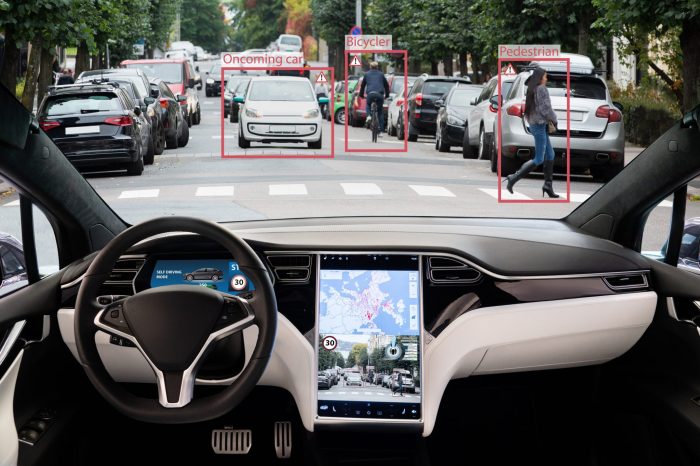
When it comes to self-driving car accidents, manufacturer liability plays a crucial role in determining accountability and ensuring consumer safety.
Responsibilities of Manufacturers
Manufacturers of autonomous vehicles have a significant responsibility in guaranteeing the safety and reliability of their products. They must:
- Conduct thorough testing and quality assurance measures to minimize the risk of malfunctions or errors in the self-driving system.
- Provide clear and accurate information to users about the capabilities and limitations of the autonomous technology.
- Regularly update software and hardware to address any identified issues or improve the overall performance of the self-driving car.
Application of Product Liability Laws
Product liability laws hold manufacturers accountable for any defects or failures in their products that result in harm to consumers. In the context of self-driving cars, these laws apply to ensure that manufacturers are held responsible for:
- Design flaws in the autonomous system that lead to accidents or safety risks.
- Manufacturing defects that compromise the functionality of the self-driving car.
- Failure to provide adequate warnings or instructions regarding the proper use of the autonomous technology.
Insurance Considerations
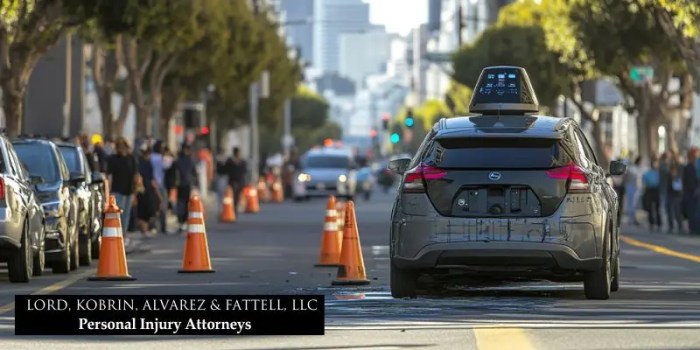
When it comes to autonomous vehicles, insurance companies are facing new challenges in handling claims related to self-driving car accidents. As the technology evolves, the landscape of insurance policies for these vehicles is also changing rapidly.
Evolving Insurance Policies
Insurance companies are adapting their policies to accommodate the unique risks associated with autonomous vehicles. Some are even offering specialized coverage specifically tailored to self-driving cars. This includes coverage for cyber-attacks, software malfunctions, and other technological issues that traditional policies may not have addressed.
Challenges and Opportunities
- Challenges:
- Establishing liability: Determining fault in accidents involving autonomous vehicles can be complex, as it may involve the vehicle's software, the manufacturer, or even the human occupants. Insurance companies need to navigate these complexities to accurately assign liability.
- Premium Determination: Insuring self-driving cars requires a new approach to determining premiums. Factors such as the vehicle's technology, safety record, and the manufacturer's reputation all play a role in setting insurance rates.
- Opportunities:
- Data Utilization: With the vast amount of data generated by autonomous vehicles, insurance companies have the opportunity to leverage this data to assess risk more accurately and offer more personalized coverage.
- Risk Mitigation: By working closely with manufacturers and technology providers, insurance companies can help mitigate risks associated with autonomous vehicles through proactive safety measures and incentives.
Closure
In conclusion, the landscape of autonomous vehicle liability presents a fascinating intersection of law, technology, and ethics. As we navigate the implications of self-driving car crashes, it's crucial to consider the evolving legal responsibilities of manufacturers, the intricacies of fault determination, and the challenges of insurance in this rapidly changing field.
Top FAQs
Can you sue the manufacturer if a self-driving car gets into an accident?
Yes, you can sue the manufacturer if the accident was caused by a defect in the autonomous vehicle's design or manufacturing.
Are owners of self-driving cars always liable in accidents?
Owners may not always be liable, especially if the accident was due to a software glitch or manufacturing defect.
How do insurance companies handle claims related to self-driving car accidents?
Insurance companies are adapting their policies to account for the unique risks and liabilities associated with autonomous vehicles.

![Suboxone Tooth Decay Lawsuit [2025 Update] | Keith Law Group](https://discovery.tokominicon.com/wp-content/uploads/2026/05/Suboxone-Tooth-Decay-Lawsuit-Overview-and-Updates-Keith-Law-Group-1024x576-1-120x86.png)